What Happens in Your Brain When You Impulse Spend (and How to Interrupt the Loop)
You did not plan to buy it. You were scrolling, or standing in a checkout line, or having a rough afternoon, and suddenly the thing was in your cart, and the order was confirmed. Ten minutes later, the excitement faded, and a quieter feeling moved in. Maybe regret. Maybe a little shame. Maybe the urge to do it again.
If that pattern feels familiar, you are not weak, and you are not bad with money. You are human, and your brain is doing exactly what it evolved to do. The good news is that once you understand the loop, you can learn to step out of it. Here is what is actually happening inside your head when you impulsively spend, and how to interrupt it before the order goes through.

What counts as impulse spending?
Impulse spending is any purchase you make quickly, emotionally, and without your usual planning, often to change how you feel in the moment rather than to meet a real need. It is the candy at the register, the late-night online order, the “treat” you buy after a hard day. The purchase is rarely about the object. It is about the feeling you are chasing or trying to escape.
Understanding that difference is the first move, because it shifts the question from “How do I have more willpower?” to “What is my brain trying to fix right now?” That second question is far more useful, and it is the heart of financial therapy.
The dopamine loop: what happens in your brain when you impulsively spend
Here is the part most people get wrong. They assume the pleasure comes from owning the item. In reality, the biggest chemical hit comes before you buy.
When you spot something you want, your brain releases dopamine. Dopamine is often called the pleasure chemical, but it is really the anticipation chemical. It spikes in a region called the nucleus accumbens when your brain predicts a reward is coming. That surge feels exciting, almost urgent. It is the same system that lights up around food, attention, and other things we are wired to seek out.
This is why window shopping and adding things to a cart feel so good. Your brain is rewarding the chase, not the catch. Studies on spending have found that the anticipation of a purchase can light up reward circuits more strongly than the purchase itself. That is also why the thrill fades so fast once the package arrives. The chemistry was always front-loaded.
At the same time, a second part of your brain is supposed to step in: the prefrontal cortex, your center for planning, judgment, and long-term thinking. On a calm day, it weighs the cost, checks your budget, and says, “Not today.” But the prefrontal cortex is fragile. Stress, tiredness, hunger, alcohol, and strong emotion all push it offline. When that happens, the fast, reward-seeking part of your brain runs the show with no one editing its decisions.
So the impulse loop looks like this: a trigger appears, dopamine spikes, your judgment center goes quiet, you buy, you feel a brief high, the high fades, and discomfort returns. That discomfort often becomes the next trigger, which is how the loop keeps spinning.
Why your emotions pull the trigger
Impulse spending is rarely random. It tends to ride on specific emotional states. Common ones include stress, boredom, loneliness, sadness, and even reward (“I earned this”). Each of these is uncomfortable in its own way, and spending offers a quick, reliable dopamine hit that interrupts the discomfort for a few minutes.
This is the same mechanism behind other soothing habits like emotional eating or endless scrolling. The behavior is not really the problem. It is a solution your brain reached for to manage a feeling it did not know how to sit with. That is an important reframe, because you cannot shame yourself out of a coping strategy. You can only replace it with something that works better.
How to interrupt the loop
You cannot stop your brain from releasing dopamine. What you can do is insert space between the urge and the action, long enough for your prefrontal cortex to come back online. Here are practical ways to do that.
1. Name the feeling first. Before you buy, pause and ask, “What am I feeling right now?” Bored, anxious, tired, celebratory? Simply naming an emotion reduces its intensity and reactivates your thinking brain. This single habit interrupts more impulse purchases than any budgeting app.
2. Add friction. The loop thrives on speed. Slow it down on purpose. Remove saved cards from shopping sites, log out of one-click checkouts, and delete shopping apps from your phone. Every extra step is a moment for your judgment to catch up.
3. Use a waiting rule. Give yourself a set delay before any non-essential purchase, such as 24 hours for small items and a week for larger ones. The dopamine spike is short-lived. Most urges shrink dramatically once the anticipation chemical settles.
4. Change your state, not your cart. Since the real goal is to feel different, find a faster, cheaper way to shift your mood. A short walk, a glass of water, a text to a friend, or five minutes of music can blunt the urge without a charge on your card.
5. Make the cost visible. Abstract money is easy to spend. Translate a purchase into something concrete, like hours of work or a portion of a goal you care about. Seeing the trade-off wakes up your decision-making brain.
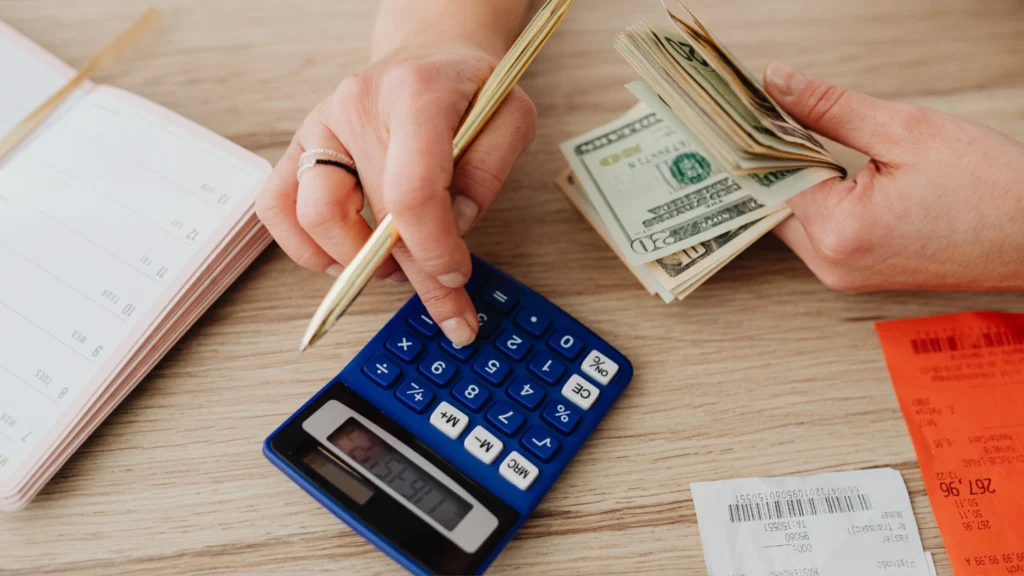
6. Track the pattern, not just the dollars. Note what you almost bought, when, and how you felt. Over a few weeks, you will spot your personal triggers. Keep an impulse spending log and write down your personal triggers. Once you can predict the loop, you can plan around it.
When the loop is bigger than willpower
Sometimes the strategies above are not enough, and that is not a failure. If impulse spending is straining your finances, your relationship, or your peace of mind, the pattern is usually anchored to deeper beliefs about money, worth, and safety that were formed long before you ever held a credit card.
This is exactly where financial therapy helps. A financial therapist looks at both the numbers and the emotions underneath them, helping you understand why you spend the way you do and what need the spending is really serving. Working with a financial therapist or a qualified professional gives you a structured, judgment-free space to untangle those patterns and build habits that actually hold. If you have been searching for financial counseling near you because the loop keeps winning, that instinct is worth following.
Maggie Baker Ph.D., brings three decades of experience as a psychologist and financial therapist to this work, helping individuals and couples uncover the beliefs driving their money decisions so they can feel in control instead of controlled.
Ready to break the cycle for good?
Impulse spending is a brain pattern, not a character flaw, and patterns can change with the right support. If you are tired of the buy-regret-repeat loop, reach out to Maggie Baker Ph.D. for financial therapy and counseling that addresses the emotions behind your money, not just the spreadsheet. Call (610) 505-7031 or schedule a consultation at maggiebakerphd.com to take the first step toward a calmer relationship with money.
For a deeper look at why we do what we do with money, explore Maggie’s book Crazy About Money, a practical, story-driven guide to understanding and changing your relationship with spending.

Frequently Asked Questions
Why do I feel a high before buying and regret right after?
Because dopamine, your brain’s anticipation chemical, peaks before the purchase, not after. The chase feels better than the catch, so the excitement fades quickly once the item is yours, often leaving regret in its place.
Is impulse spending a sign of a bigger problem?
Not always, but if it is hurting your finances, relationships, or well-being, it often points to deeper emotional patterns. Financial therapy can help you identify and change those underlying drivers.
Can a financial therapist really help with impulse spending?
Yes. A financial therapist addresses both the practical and emotional sides of money, helping you understand your triggers and build lasting habits. Searching for financial counseling near you is a strong first step toward breaking the loop.